"My child is more than a diagnosis."
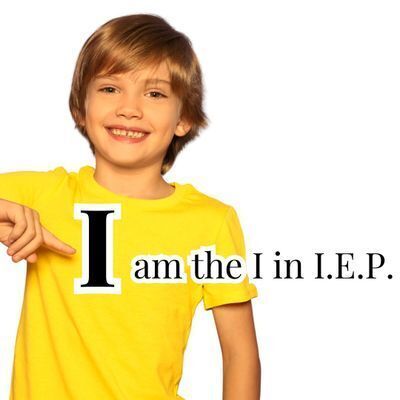
We often hear from parents that it's hard to get people--teachers, doctors, neighbors, even family members--to pay attention to anything about their child other than his or her disability. That's frustrating, because every kid is an individual with strengths and weaknesses, things they like to do and stuff they avoid.
It's important that children get to be in situations where they can make friends, build life skills, and learn how to advocate for themselves as the individuals they are. Like all kids, they need to decide what they want to be when they grow up, and have a chance to aim for the bright future that's right for them.
These are an assortment of resources that support parenting at different stages of childhood. Kids at all ages and stages can be wonderful, fun, and incredibly challenging, all at the same time. If you're feeling stuck, in need of some encouragement, or just want to brag about how cute your baby is, please pay us a visit at our Family Resource Center or join one of our parenting classes or support groups.
Resources for parents of younger children
Resources for parents of tweens and teens
Accessible Activities for Children
These organizations all offer activities that are either designed to be accessible to kids with disabilities or can accommodate kids with disabilities. Because availability, schedules, and pricing regularly change, we're not including specific classes here. If you're interested in one of these options, check them out to see what's currently available, and contact the organization directly with any questions.
Resources for the transition from high school to adulthood
At some point during high school, all young people have to start making decisions about what they want to do when high school is over. For kids with disabilities, this can be complicated by whether they will need accommodations in a job or higher education setting, how much support they'll require with life skills, and what kind of financial assistance is available.
That's a lot of information to process and questions to answer, and teens also have to learn to speak up for themselves in IEP or 504 meetings, and out in the wider world. We always suggest that whenever possible kids start coming to meetings about their education when they're still in elementary school, just to get used to being part of them.
There are so many transition resources available online that it can be overwhelming. We've included a selection below for easy reference, and maybe to provide a starting point for family conversation. For juniors and seniors with IEPs who attend one of the NVUSD or up-valley public high schools, we strongly recommend talking to a counselor about joining our YouthCAN Next Step program.


